
Walk through İznik today and you meet a lakeside town, long city walls and a building known as Ayasofya Orhan Mosque. The ancient name, Nicaea, also belongs to a turning point in Christian history. In 325 CE, bishops assembled here at the invitation of Emperor Constantine to address a dispute about the relationship between Jesus Christ and God the Father. Their meeting became the First Council of Nicaea. Its legacy is often reduced to a single sentence about a creed, but the town and the surviving evidence invite a more careful story.
Why did the bishops come to Nicaea?
Christian communities across the Roman Empire disagreed on how to describe the Son’s relationship to the Father. The teachings associated with Arius of Alexandria sharpened that dispute. Constantine called a council in Nicaea in 325, seeking a common position among bishops from across the empire. This was an ecclesiastical debate in an imperial setting, not a tourist attraction with a room preserved intact for visitors. UNESCO’s İznik tentative-list account places the first council here and describes the city’s later importance as a religious centre.
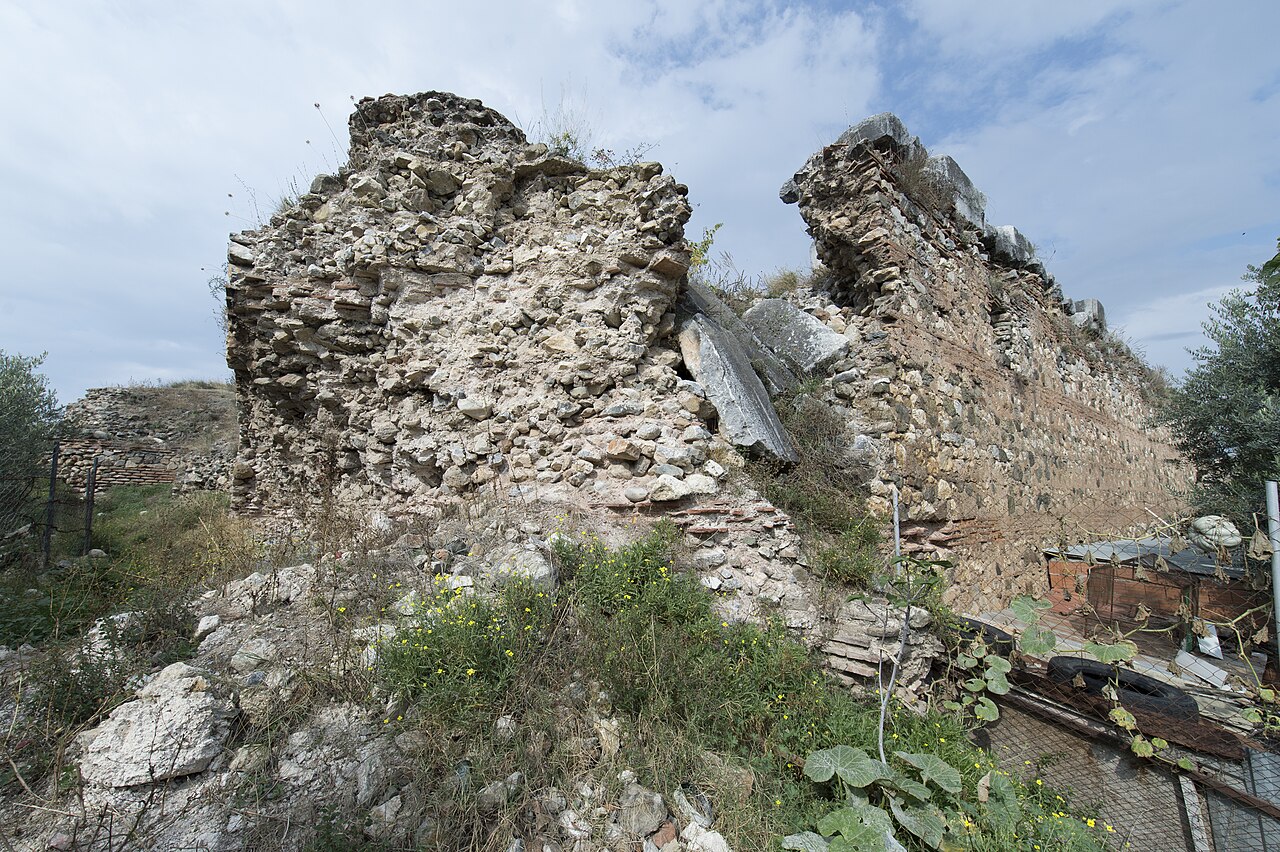
The distinction between an event and the visible town matters. No present-day visitor can point to a surviving chair or table and identify it as the precise place where the bishops debated. The walls, street pattern and later buildings help explain Nicaea’s setting, but they are not a reconstruction of the council chamber. Treat İznik as a historic landscape that holds several periods, rather than one frozen scene from 325.
What did the council decide?
The First Council of Nicaea is especially associated with the original Nicene Creed, a statement affirming the Son’s divine status in relation to the Father. The council also addressed the timing of Easter and issued disciplinary canons. Its decisions did not instantly end theological disagreement. Later debates and councils continued to shape Christian doctrine. The text commonly called the Nicene Creed in present-day worship reflects later development, including the Council of Constantinople in 381. It should not be presented as a word-for-word transcript from a room in İznik.
Keep Nicaea separate from Ephesus. The Council of Ephesus took place in 431, more than a century later, and addressed a different dispute concerning Christ and Mary. On a faith-history journey, those dates and places make both cities clearer. The Church of Mary in Ephesus adds context for the later council without turning either building into proof of every traditional account.
The second council belongs to another century
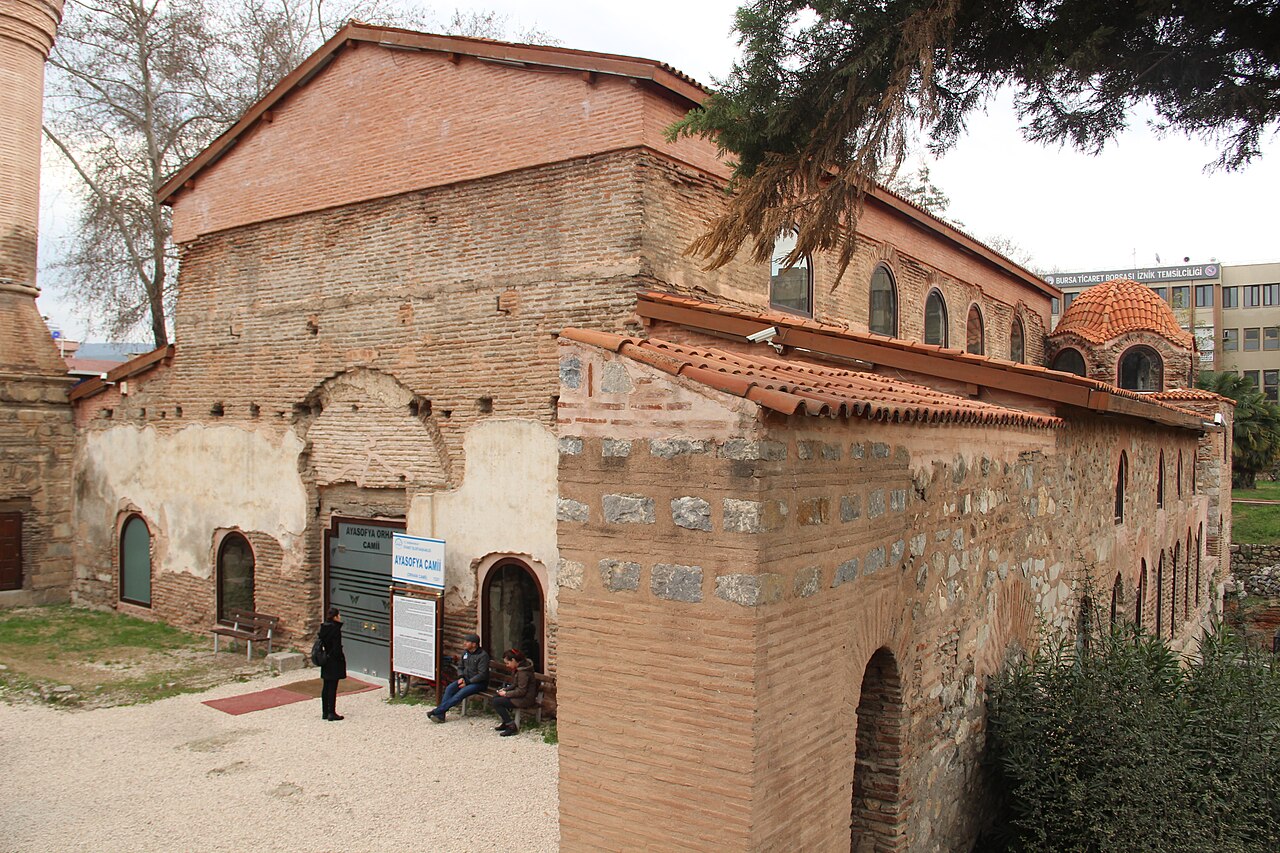
İznik hosted another major gathering in 787. It is called the Second Council of Nicaea and counted as the Seventh Ecumenical Council. Its central issue was the religious use and veneration of images during the Byzantine icon controversy. It was not a repeat of the dispute of 325. The Turkish Ministry of Culture and Tourism’s account connects İznik Ayasofya with the 787 council. It also describes rebuilding, damage and conversion after the Ottoman conquest. The structure visible today therefore has a layered architectural history, not untouched fabric from the First Council.
That difference guides the choice of photographs. Ayasofya is a meaningful image for İznik’s later Christian and Ottoman history and for the 787 gathering. A caption calling it “the place where Constantine held the 325 council” would go beyond what the official account establishes. The building currently functions as a mosque, so visitors should follow local guidance and respect worship.
Read the town beyond the famous date
Begin with İznik’s outline. UNESCO’s tentative-list description places the town on the eastern shore of Lake İznik and notes its grid plan, gates and surviving fortifications. Walking between an old gate, a street and the lake gives a better sense of scale than searching for a single commemorative plaque. The town mattered before 325 and remained important long afterward. Its Ottoman ceramics add another chapter, encountered in local workshops and collections rather than in the council story alone.
If time is short, choose a few stops and read their interpretation signs slowly. Look at the masonry of the walls and the altered fabric of Ayasofya. Ask which parts belong to which periods and what the sources actually say. A photograph establishes that a building survives; it cannot prove that a particular speech happened inside it. Separating material evidence from later association makes religious history more engaging and more accurate.
Practical ways to visit respectfully
Check official local information before travelling for current access, prayer times, conservation work and museum arrangements. Fixed opening hours and ticket prices can change, so confirm them close to your visit. At an active mosque, dress and behave according to its guidance, avoid interrupting worship and ask before photographing people. Outdoors, expect uneven paving and changing weather near the lake. Carry water, wear comfortable shoes and allow time to walk instead of treating İznik as a quick photo stop.
Consider a short sequence: start at a surviving gate or wall, continue through the town centre to Ayasofya, then look back toward the lake. This is a way to understand the city’s geography, not a promise that every site will be open or that a particular route is step-free. Pause at each place to read the date of the visible fabric. The council of 325 is a historical event; later buildings and repairs are part of the town’s continuing life.
For a wider journey through early Christian sites in western Türkiye, compare Nicaea with the later council landscape of Ephesus. Our Biblical Ephesus tour focuses on Ephesus and nearby heritage sites. İznik is a separate destination and is not a stop on that published itinerary. Ask for a separately confirmed route if you hope to visit both cities. The reason to spend time in İznik is the combination of a living town and a long historical record: one council in 325, another in 787, and centuries of urban change between and beyond them.
Sources and further reading
Explore İznik / Nicaea with context.
Review the route and inclusions before requesting your own private itinerary.
EXPLORE BIBLICAL EPHESUS