
The archaeological site of Ephesus makes its first impression at the scale of streets, columns and public buildings. The Ephesus Museum in nearby Selcuk offers a different kind of encounter: objects that once belonged to worship, decoration, trade and everyday life can be considered at close range. It is not a substitute for walking the ancient city. It is a way to ask better questions about the people who inhabited it.
A museum connected to several places
The official museum listing calls it Efes Muzesi, or Ephesus Museum, and places it in Selcuk rather than inside the archaeological site. Its collections bring together material associated with Ephesus and its surrounding landscape. The museum's published highlights include representations of Ephesian Artemis, Eros figures, other sculptures, coins and jewellery. A visitor can therefore move between very different scales of history: an image made for religious meaning, a decorative figure, and small objects that once changed hands.
At Ephesus, the Library of Celsus and other monuments show how architecture shaped public space. In a museum, study a sculpture's surface or pose before reading its label. The label can test what you thought you saw.
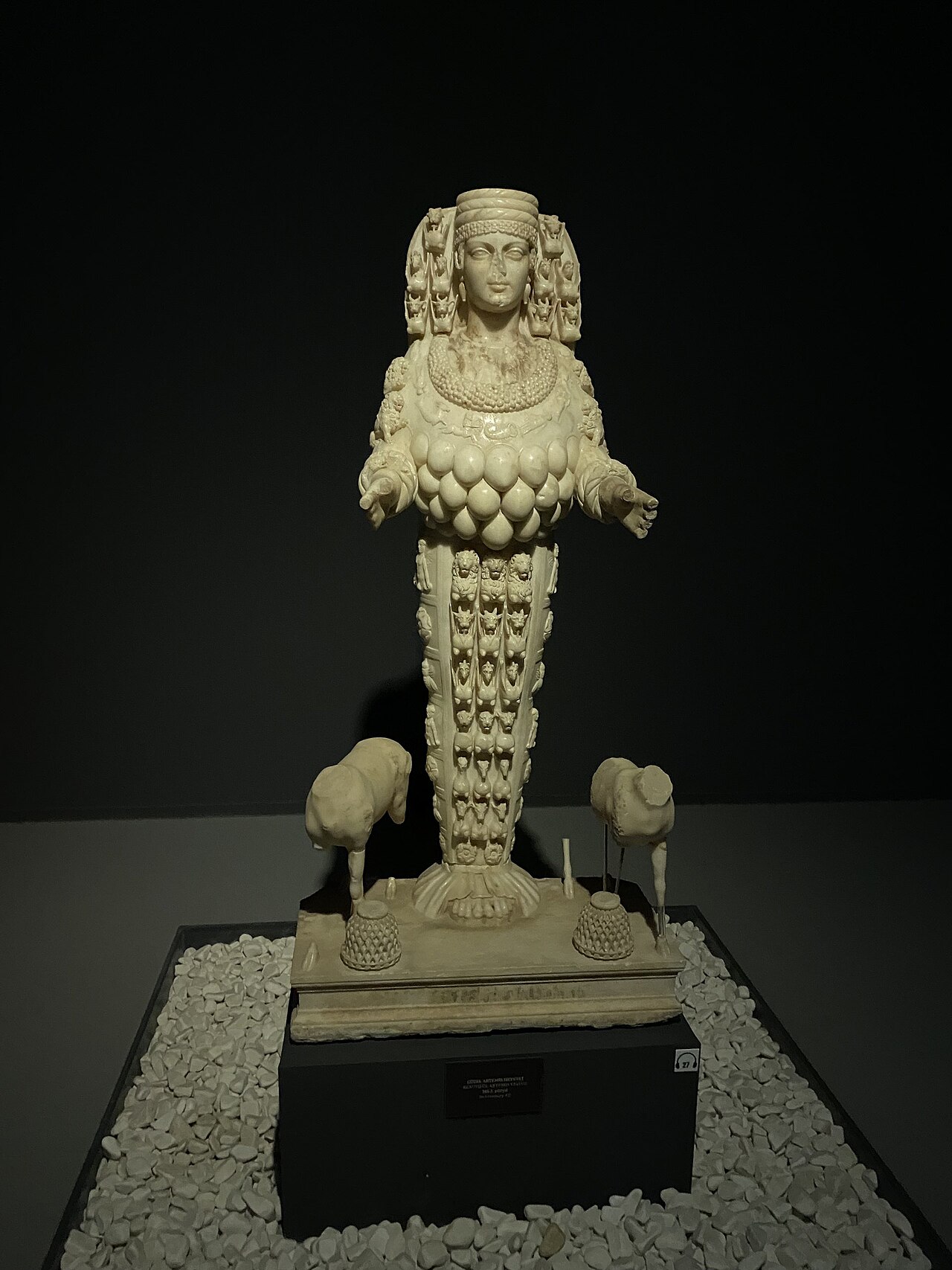
Why Artemis looks different here
The museum's Artemis figures help explain why the sanctuary of Artemis mattered so much to Ephesus. This is not simply the familiar Greek image of a huntress with a bow. Ephesian Artemis has a distinctive, formal appearance, with layered ornament and animal imagery. Rather than trying to decode every feature from a photograph, notice how carefully the figure is composed and how different it feels from a naturalistic portrait.
The official museum highlights the Artemis sculptures among its most notable objects. Their presence also connects a museum visit to the Temple of Artemis site near Selcuk. Very little of that sanctuary's monumental architecture remains standing at the site today. The sculptures do not recreate the lost temple, and a museum object should not be treated as an exact picture of every historical phase of worship. Together, however, the site and the display make the religious landscape easier to imagine without pretending that its missing parts can be restored by guesswork.
Which details repeat? Where are animals placed? How does the patterned body differ from other sculptures? These observations are more useful than memorising a single claim about each element. Ancient images carried layered associations, and interpretation can change as research develops.
Eros and a more intimate view of art
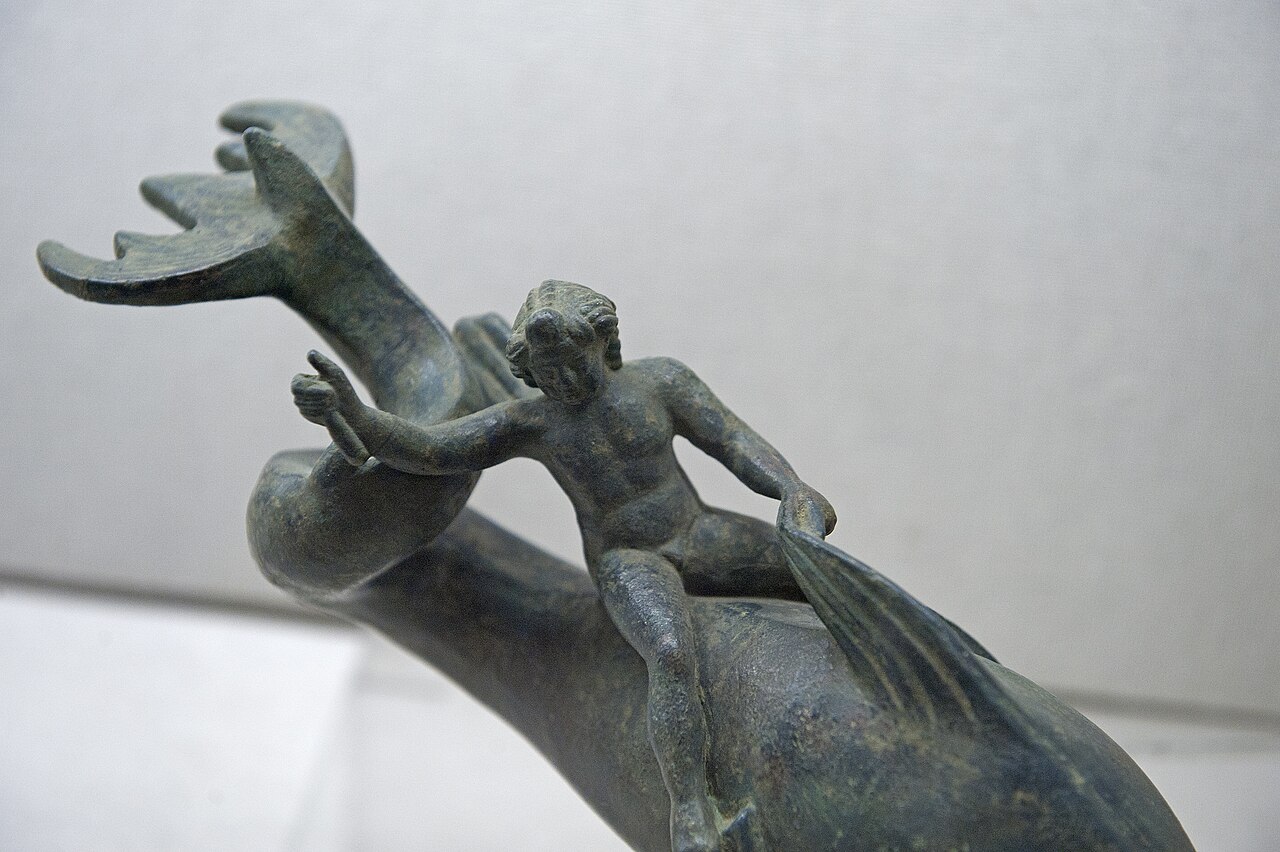
Another object named in the ministry's collection overview is Eros with a dolphin. Its subject and scale feel very different from the solemn Artemis image. The figure draws attention to movement and play, qualities that can get lost when Roman art is discussed only through emperors and monumental buildings. It is also a reminder that objects found around a city can have decorative and practical settings, not only sacred ones.
Look beyond the headline pieces. The official museum description mentions other Eros figures, mythological deities, a head of Socrates, coins and jewellery. They open several windows onto the city's visual culture. Coins invite questions about exchange and authority; ornaments suggest choices about identity. Labels provide the context needed to keep those suggestions grounded.
How the collection changes an Ephesus walk
Consider visiting the museum before or after the ruins, depending on your schedule. Beforehand, the objects supply visual clues to look for among architectural remains. Afterwards, they can answer a more personal question: what kinds of things existed in the city beyond the monuments you photographed? Neither order is inherently better. The important distinction is that the museum and the archaeological site are separate places, with separate admission arrangements to confirm.
If you have seen the Temple of Artemis site, the sculptures may give that sparse landscape more meaning. The museum's smaller objects can also make urban life less abstract. Its official guide describes displays arranged by themes and find groups. Following those groupings, instead of rushing to one statue, makes for a more rewarding visit.
Selcuk itself deserves attention between stops. A museum visit can be combined with time in town, but avoid assuming it is included in a guided Ephesus itinerary merely because it is nearby. Our private Ephesus shore excursion describes its planned route and published inclusions. The museum is a separate stop unless explicitly added to a written itinerary; its admission is not included in the tour's starting price. Cruise visitors in particular should confirm whether their port window leaves room for it.
Practical ways to visit thoughtfully
Check the official museum page shortly before travel for current opening arrangements, ticket conditions and any temporary display changes. This article deliberately avoids a fixed price or timetable because both can change. Allow enough time to read labels rather than treating the museum as a quick indoor photo stop. A phone photo of an object label can help you remember its context later, but follow any posted photography rules and give other visitors room around the displays.
When planning a wider day, remember the difference between Selcuk town, the Ephesus archaeological site and the Temple of Artemis site. They are related historically, but they are not a single building or one admission point. Our Ephesus travel guide offers broader planning context, while the museum's own page is the right place to verify current visitor information. An itinerary that gives each place its own purpose will feel less hurried and more coherent.
Take one object back into the city
The most memorable museum visits often end with one image in mind. It might be Artemis and her patterned symbolism, or the motion of Eros and the dolphin. Carry that detail back into the streets of Ephesus, or recall a street you have already walked. The connection is not a claim that every object can be returned to an exact spot. It is a reminder that the surviving stone city once held images, possessions and many forms of human attention.
Sources and further reading
Explore Ephesus with context.
Review the route and inclusions before requesting your own private itinerary.
EXPLORE AN EPHESUS TOUR