
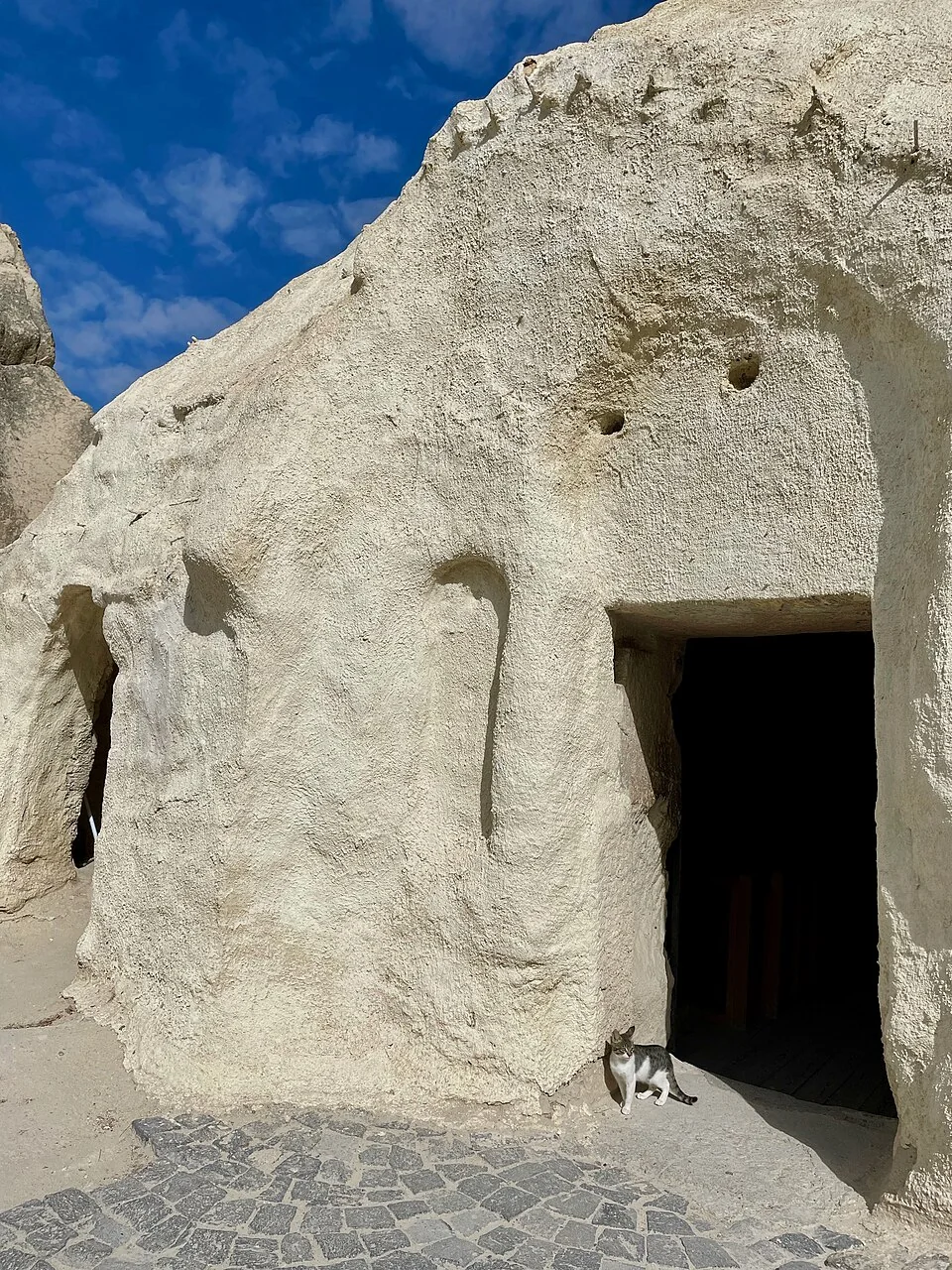
Cappadocia is often introduced through photographs of valleys and fairy chimneys. Göreme Open-Air Museum asks you to look closer. Within a compact area of volcanic rock are churches, chapels and communal spaces shaped by people who lived and worshipped here over many centuries. The appeal is not simply that buildings were carved into stone. It is the meeting of landscape, architecture and painting: an entrance can look modest from outside, then open into a carefully planned interior covered with images.
A landscape shaped twice
The first sculptor of Göreme was nature. Volcanic material formed the soft rock of the region, and erosion worked it into ridges, valleys and the cones often called fairy chimneys. People then cut rooms and passages into that landscape. The UNESCO World Heritage description treats these natural forms and human-made spaces as one connected cultural landscape, rather than two separate attractions. This perspective changes the way you walk through the museum: the rock is not just a backdrop to the churches; it is their building material.
Göreme National Park and the Rock Sites of Cappadocia entered the World Heritage List in 1985. The protected property extends well beyond the museum itself, covering valleys, settlements and underground towns across the wider region. A museum visit is therefore an introduction to a much larger story, not a complete account of Cappadocia in a single stop.
Why are there so many churches?
According to Türkiye's official museum account, monastic life was present in Göreme from the fourth century into the thirteenth. The museum includes churches and chapels, but also spaces associated with everyday communal life. What survives is evidence of a working religious landscape, not a row of isolated monuments created for visitors to admire. Communities adapted the soft rock to their needs, cutting places to gather, eat and worship.
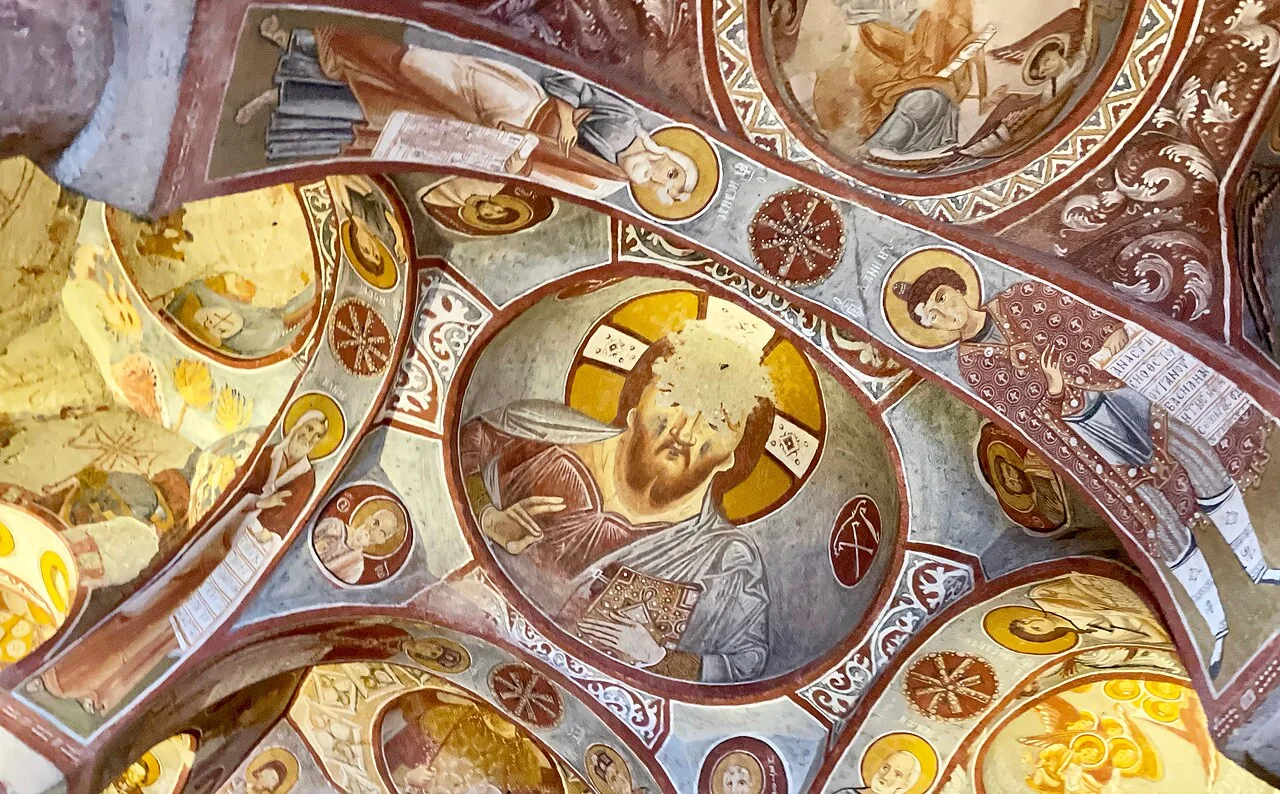
The interiors are especially revealing. The official museum description explains that some decoration was painted directly onto the rock, while other work used a fresco-secco or tempera technique. Biblical subjects and scenes from the life of Jesus appear across the churches. Styles and surviving detail differ from one room to another, so allow time for comparison instead of rushing from entrance to entrance. A knowledgeable guide can help distinguish the artistic details without reducing every image to a date or a name.
Churches to notice
The museum's official list includes St Basil's Church, Elmalı (Apple) Church, Saint Barbara Church, Yılanlı (Serpent) Church, Karanlık (Dark) Church, Çarıklı (Sandal) Church and Tokalı (Buckle) Church, among others. You do not need to memorize every name before arriving. It helps more to notice how each interior makes use of the rock: a carved surface can suggest an arch, a column or a dome even though the structure has been excavated rather than assembled from blocks.
Elmalı is one of the places where a close look at painted surfaces rewards a slower visit. The image below shows how color and narrative can fill a ceiling and curved architectural elements. It is worth stepping back to see the composition as a whole before focusing on individual figures. Inside a protected church, follow the posted instructions on photography and movement; conservation matters more than getting a particular shot.
The Dark Church deserves its own pause
Karanlık Kilise, the Dark Church, is singled out by the official museum service as a particularly important part of the complex. Its name relates to the limited light entering through a small window. That reduced exposure helped the colors of its paintings remain vivid. The church is generally treated as a separate admission, so check the official ticket information when planning your visit rather than assuming it is included with every museum ticket or tour price.
UNESCO places many of Cappadocia's richly decorated churches in the period after Byzantine Iconoclasm, when figurative painting expanded. The Dark Church offers a powerful way to see what that means in practice. Instead of looking only for a famous image, notice how a sequence of scenes fits the curved surfaces of the space. The paintings, the rock and the limited light work together to create the experience.
How to plan a better visit
Begin with the expectation that this is an archaeological and artistic site, not a conventional museum of objects in display cases. The visit involves moving between outdoor paths and enclosed rock-cut spaces. Wear shoes suited to uneven ground and give yourself enough time to pause at more than one church. A quick stop may show you the setting, but a slower walk makes the differences among the interiors easier to appreciate.
Opening times, admission arrangements and access to individual spaces can change. Check the official Göreme museum listing shortly before you travel. For the Dark Church, check its separate official listing. Do not build a tightly timed day around an assumed opening hour or ticket price copied from an old travel post.
See the museum in its wider setting
The museum makes more sense when paired with the surrounding valleys. UNESCO's description of Cappadocia emphasizes how erosion and settlement belong to the same landscape. Our private Cappadocia valleys tour can include Göreme alongside other regional stops when the confirmed itinerary allows; museum admission is listed separately from that tour's starting price. This gives you the freedom to decide how much time to devote to painted churches and how much to spend outside among the rock formations.
Göreme is memorable because its most striking details are not visible all at once. A distant view explains the landscape. A carved doorway explains how people occupied it. A painted ceiling reveals what they wanted to express inside it. Put those scales together and the museum becomes more than a checklist stop: it becomes a way to read Cappadocia itself.
Sources and further reading
Explore Cappadocia with context.
Review the route and inclusions before requesting your own private itinerary.
EXPLORE CAPPADOCIA TOUR