Daily Life in Ephesus From Archaic Roots to Byzantium
Before Ephesus became known for its grand architecture and famous monuments, daily life was shaped by something much simpler: work, seasons, local trade, and community routines. In the Archaic and Classical background, people living around Ephesus depended on practical cycles; farming, food preparation, animal care, and travel between nearby settlements. As we move into the Arwaza Kingdom period, everyday life becomes even more connected to regional power and changing trade routes, influencing how families bought, sold, and planned their days. In this “mysteries of Ephesus” series, we’ll follow those ordinary routines through different eras, not as abstract history, but as lived experiences. Because the real magic of Ephesus isn’t only what was built; it’s how people kept their lives going, day after day, long before the city’s most iconic monuments rose.
ARCHAIC/CLASSICAL BACKGROUND
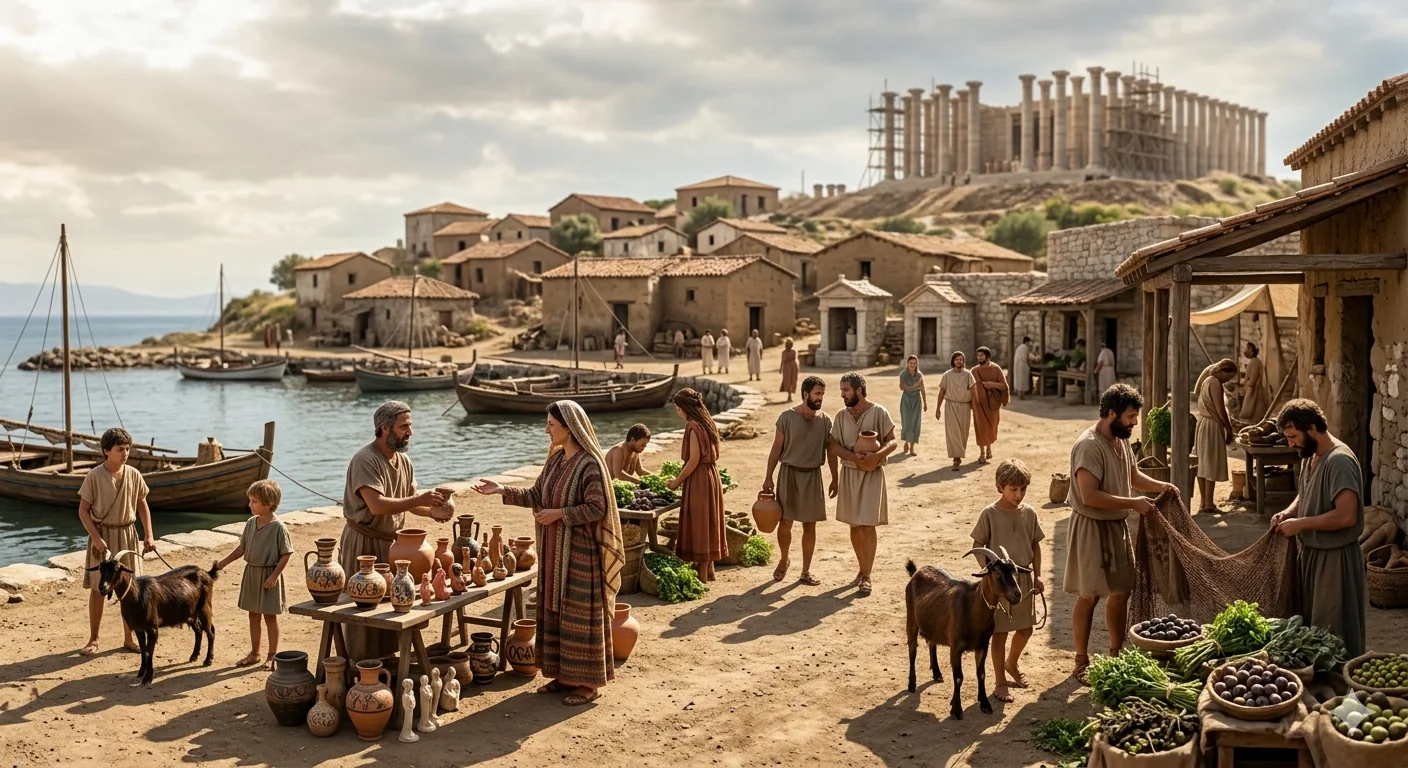
During the Archaic and Classical periods, daily life around Ephesus was deeply tied to the land, seasons, and local needs. Routines revolved around farming, family responsibilities, and steady travel between nearby communities, making daily life more community-centered than monument-focused. However, as Ephesus grew in reputation, expanding trade networks and bustling local markets brought news and everyday goods closer together. Daily life began with these simple basics, but it flourished inside a city that was gradually becoming more interconnected.
ARWAZA KINGDOM PERIOD
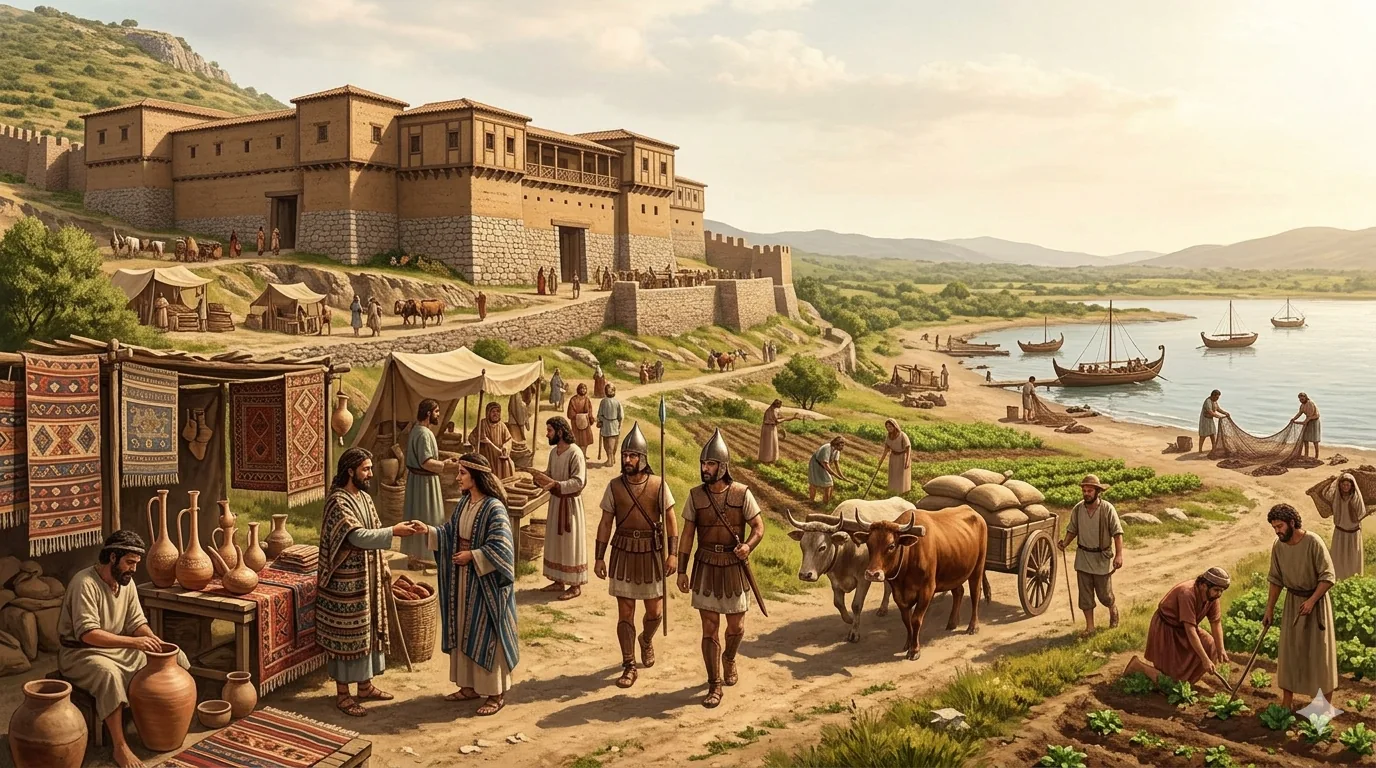
In the Arwaza Kingdom period, daily life in and around Ephesus was shaped by local power, agriculture, and trade routes. People’s routines were likely centered on seasonal work, storing food, and managing livestock for survival and stability. Workdays would begin early, with the rhythm of the land guiding everything from farming to family meals. Public interaction was important, but daily life felt more community-based than “big-city” as we imagine later. Even without the monumental buildings of later times, Ephesus was still a place where movement of goods and people mattered. In this era, daily life was less about leisure infrastructure and more about living with the necessities of the region.
LYDIAN PERIOD
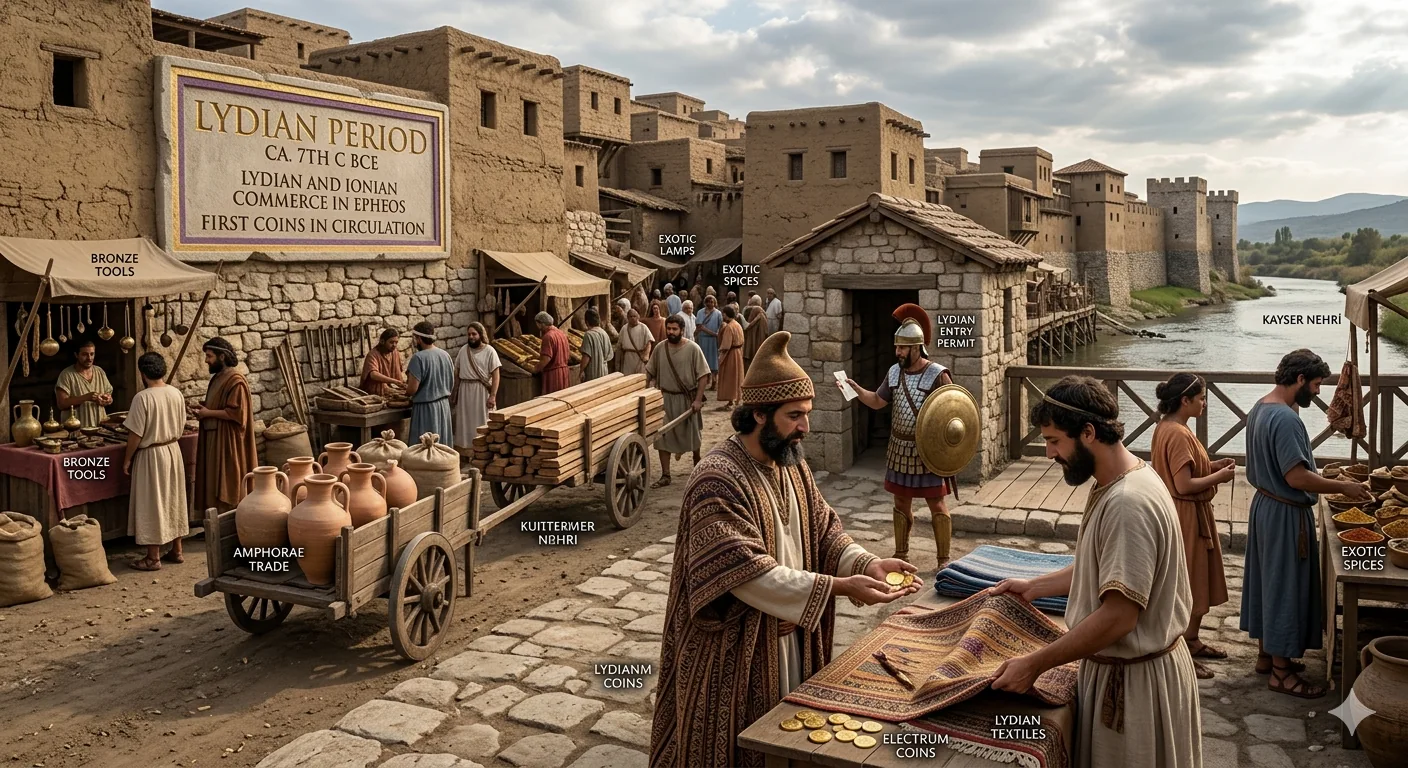
During the Lydian period, Ephesus daily life grew more connected to regional wealth and commerce. Trade routes strengthened, meaning families could access more varied goods, not just what local land produced. Markets and everyday exchange became a bigger part of the routine—buying, selling, bargaining, and sharing news. Social life still depended heavily on family and status, but the city’s importance made daily life feel more public and. People likely encountered new tastes, crafts, and cultural influences through merchants and visitors. Compared to earlier centuries, everyday life in Ephesus had more of a “city feeling,” even if it wasn’t yet the fully Roman-sized experience.
GREEK–HELLENISTIC PERIOD
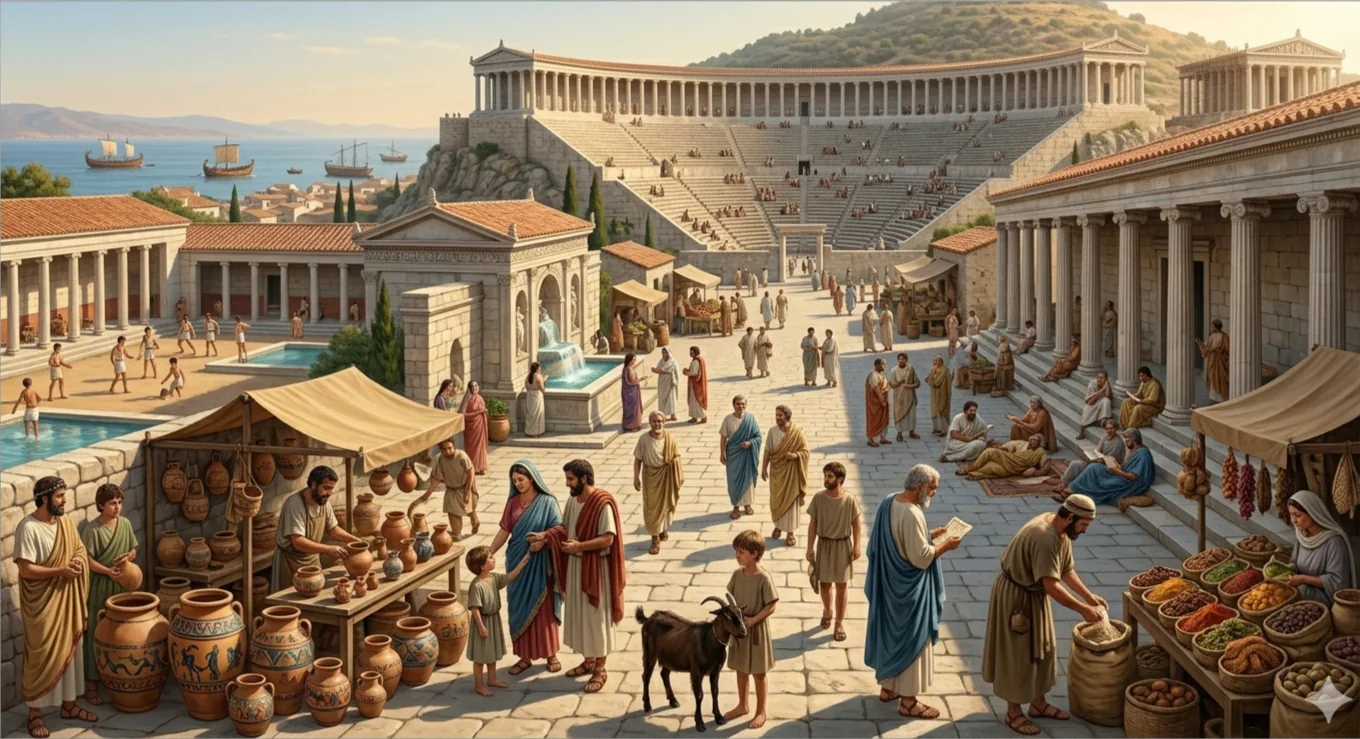
In the Greek-Hellenistic period, daily life in Ephesus became more strongly shaped by urban culture and public spaces. People spent time not only in homes, but also in places designed for gathering near civic buildings, streets, and activity centers. Entertainment and social interaction likely became more visible: conversations, performances, and festivals formed part regular schedules and craft continued, but the idea of being “ of a community” was clearer through shared cultural practices. Food traditions became more varied as the city attracted wider across the Greek world. Daily life began to more structured around the city’s identity culture, status, and public participation.
ROMAN PERIOD
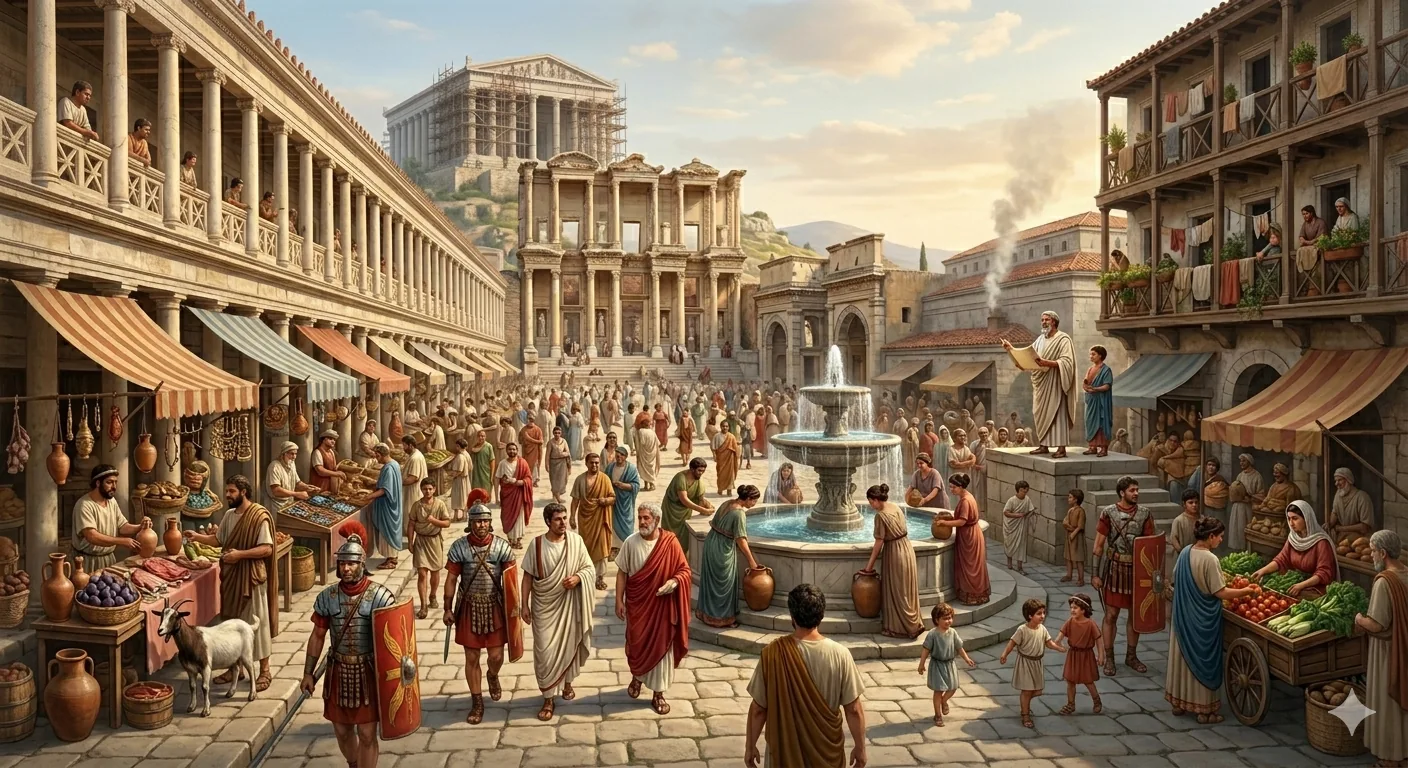
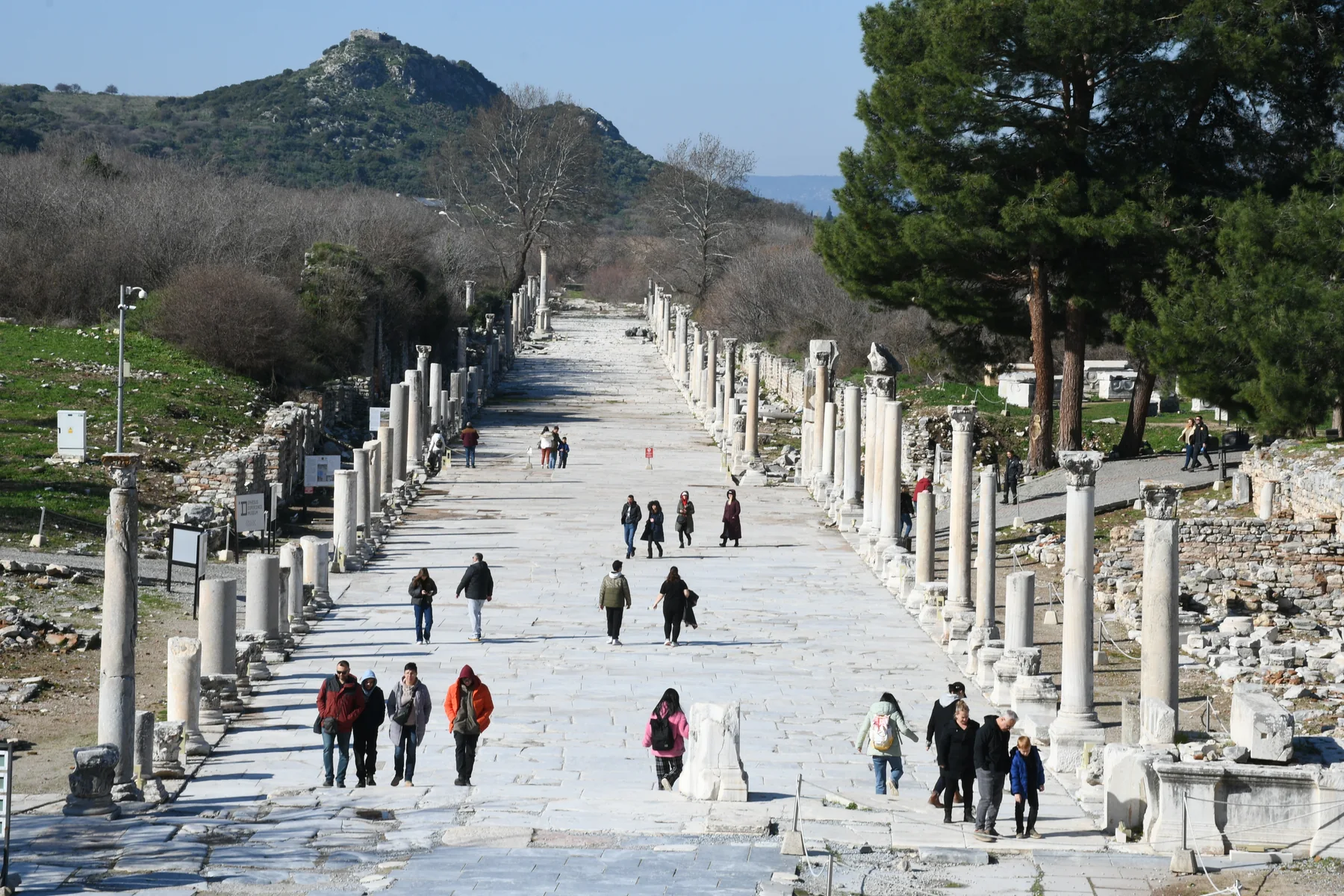
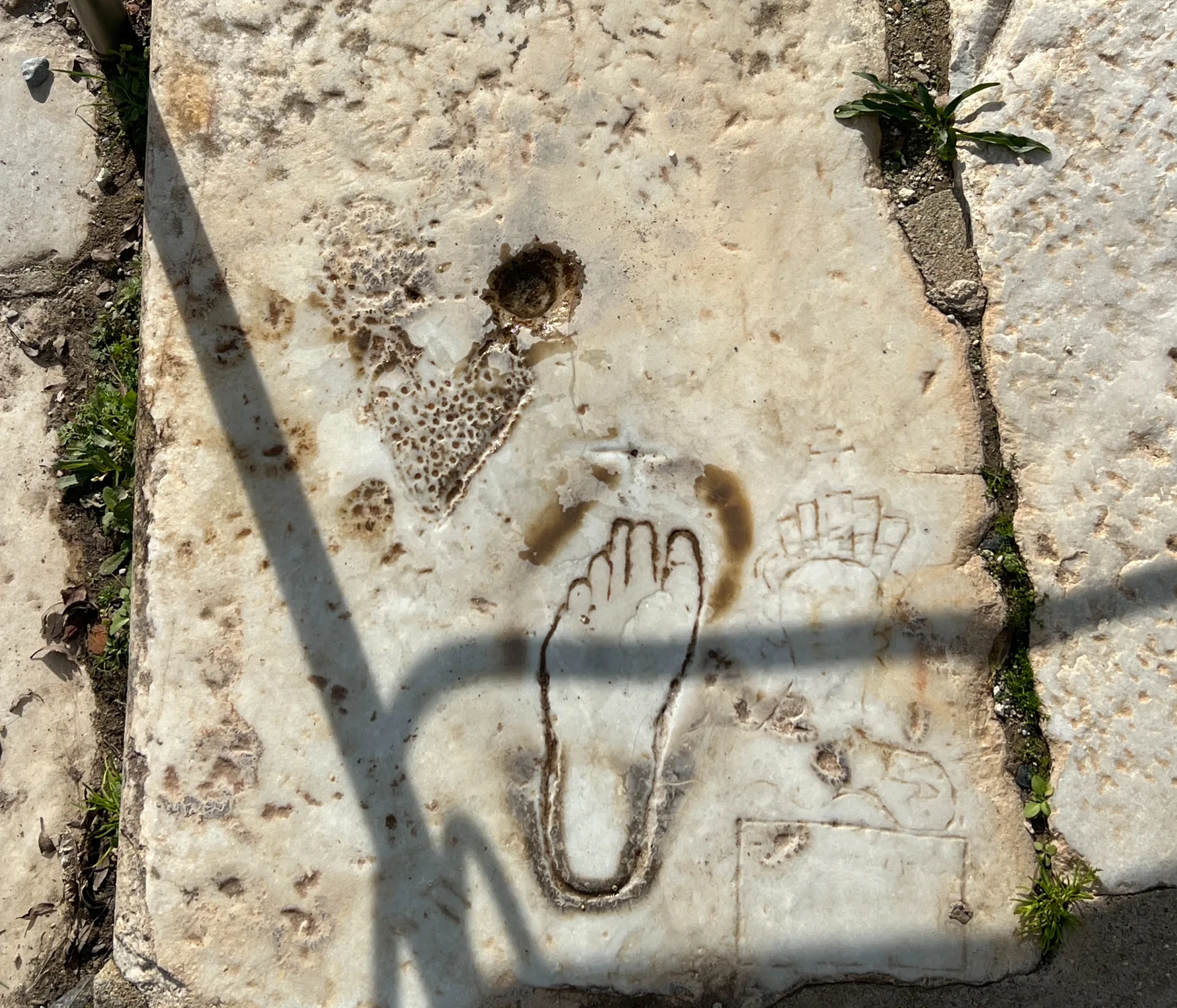
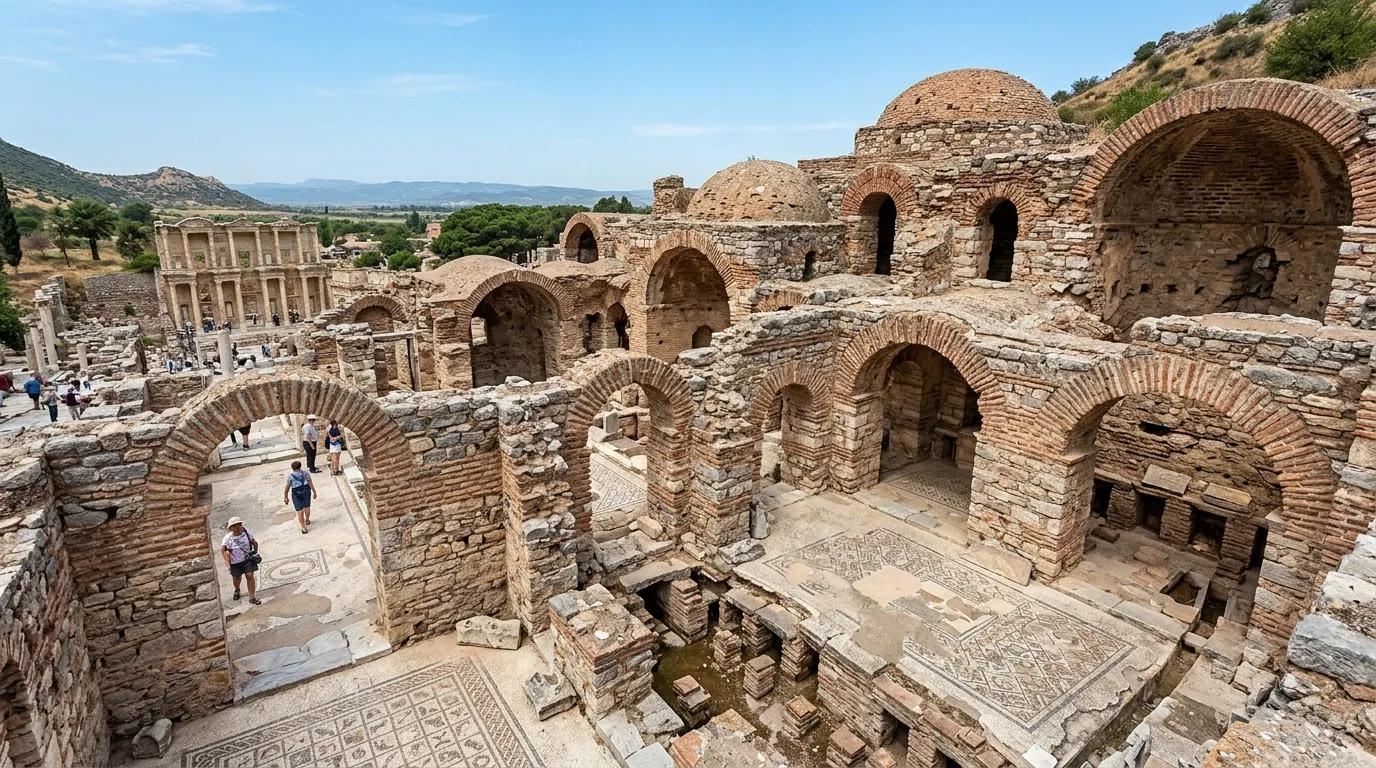
In the Roman period, daily life in Ephesus became noticeably more organized around infrastructure and public services. Baths, fountains, shops, and streets supported a rhythm that felt busy and modern even by ancient standards. People went about their days with a strong sense of civic life: entertainment, public meetings, and community events were part of the schedule. Work and economy expanded, with commerce becoming faster and more specialized as the city grew. Even ordinary routines—washing, eating, traveling were shaped by large-scale systems built for daily use. In Roman Ephesus, the “ordinary day” could still be comfortable, crowded, and exciting, because the city was designed to keep people moving.
BYZANTINE PERIOD
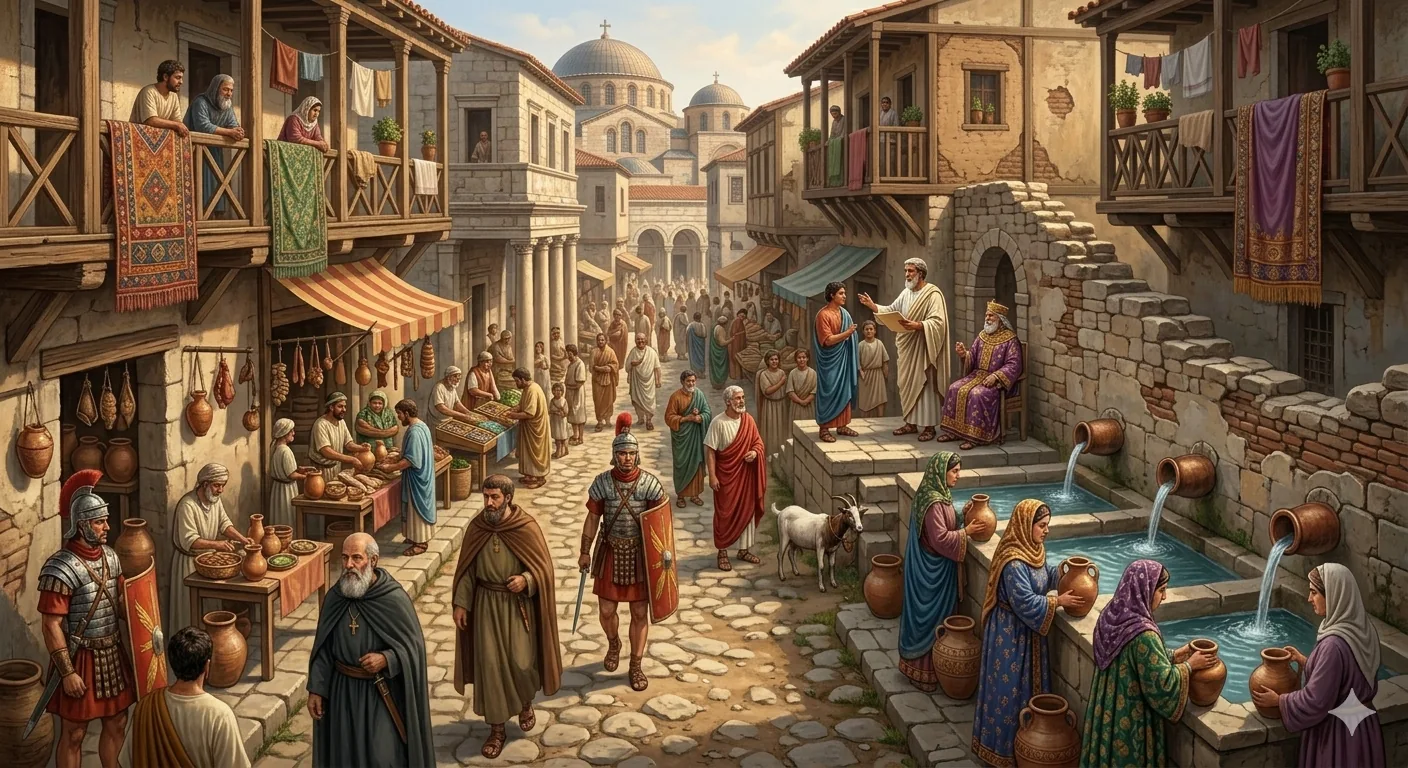
In the Byzantine period, daily life in Ephesus was shaped by a world where Christian beliefs and church-centered life became more dominant. Homes and streets still held routines of work, food, and family care, but public space increasingly carried religious meaning. People’s schedules were influenced by church calendars, services, and community gatherings. Commerce continued, yet the city’s energy and population patterns changed over time, affecting what everyday life looked like. Compared to the Roman “grand civic” mood, daily life could feel more spiritually focused and locally communal. Even so, life in Ephesus remained resilient people adapted, reused spaces, and continued building routines around faith and survival.