Healers of Ephesus: A Journey Through Ancient Medical Mastery
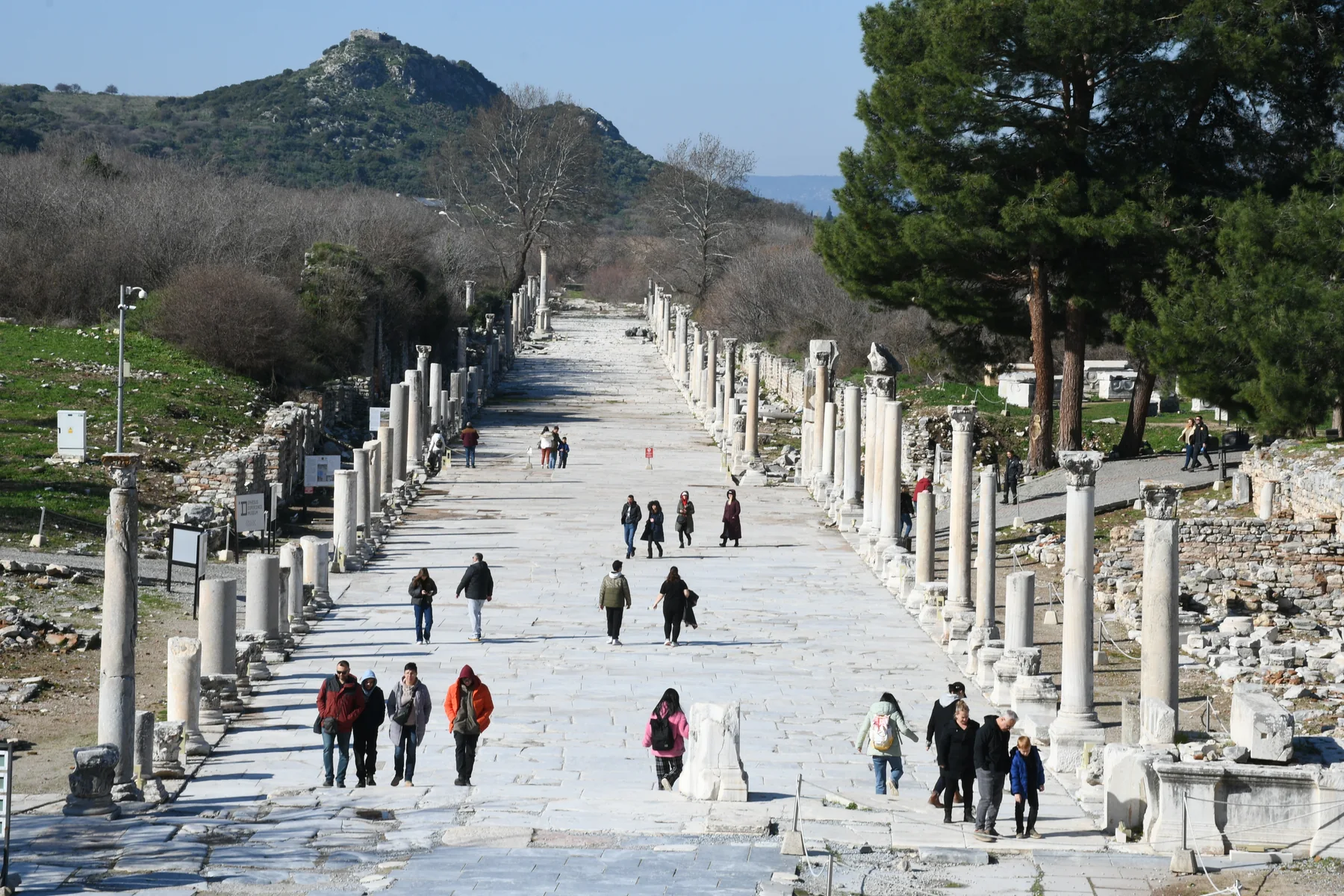
Beneath the magnificent marble streets of Ephesus lies a silent revolution that reshaped human history: the evolution of healing. This journey begins in the mystical mountains of Arzawa with the gathering of sacred herbs, flows through the rational filter of Ionian enlightenment, and resonates in the spiritual purification pools of the Temple of Artemis. During the Roman Golden Age, the art of medicine reached its pinnacle through the scalpels of genius physicians like Soranus and Rufus, while in the dusty arenas, the broken bones of gladiators were mended with legendary "ash diets" and advanced trauma surgery. Ultimately, this vast treasure of knowledge, preserved within the serene Byzantine monasteries, sowed the first seeds of modern hospitals and public healthcare. Healers of Ephesus invites you on a captivating odyssey from magic to science and ritual to surgery, revealing why this ancient city stood as the world’s capital of health for millennia.
The Dawn of Healing: Herbs, Rituals, and the Earth Mother
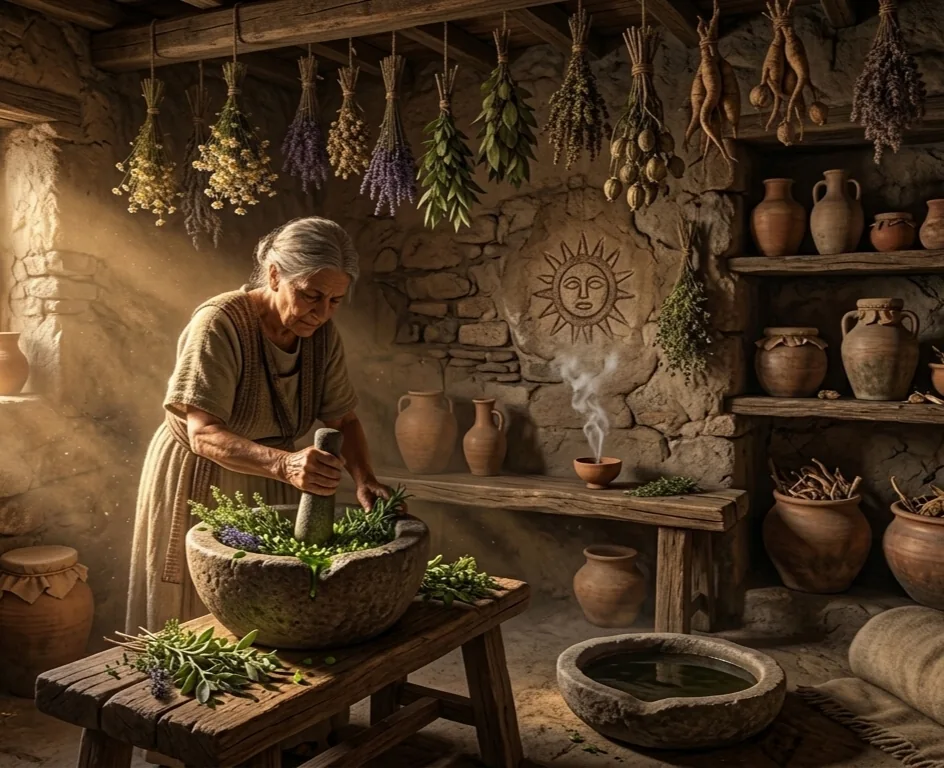
Long before Ephesus became a bustling Roman metropolis with a renowned medical school, the land belonged to the Arzawa kingdoms and the Hittite sphere of influence. In this deep antiquity, healing was not a science but a sacred dialogue with nature.
The first physicians were not dressed in togas; they were "Old Women" (shifacis) and priests who listened to the language of the earth. Illness was often viewed as a spiritual imbalance, and the cure required both ritual and remedy. Using ancient knowledge passed down through generations, they harvested plants from the slopes of Mount Coressus and Mount Sipylus. These were the "Sacred Herbs."
Hittite cuneiform tablets reveal a pharmacopoeia of over two hundred plants. From the antiseptic properties of wild honey to the calming effects of opium poppies and the mysterious power of mandrake roots, the foundations of Ephesian medicine were laid in these earthen pots and whispered incantations. They treated the body and soul as one, bound by the eternal rhythm of the Anatolian soil.
The Rational Shift: Observation, Reason, and the Four Humors
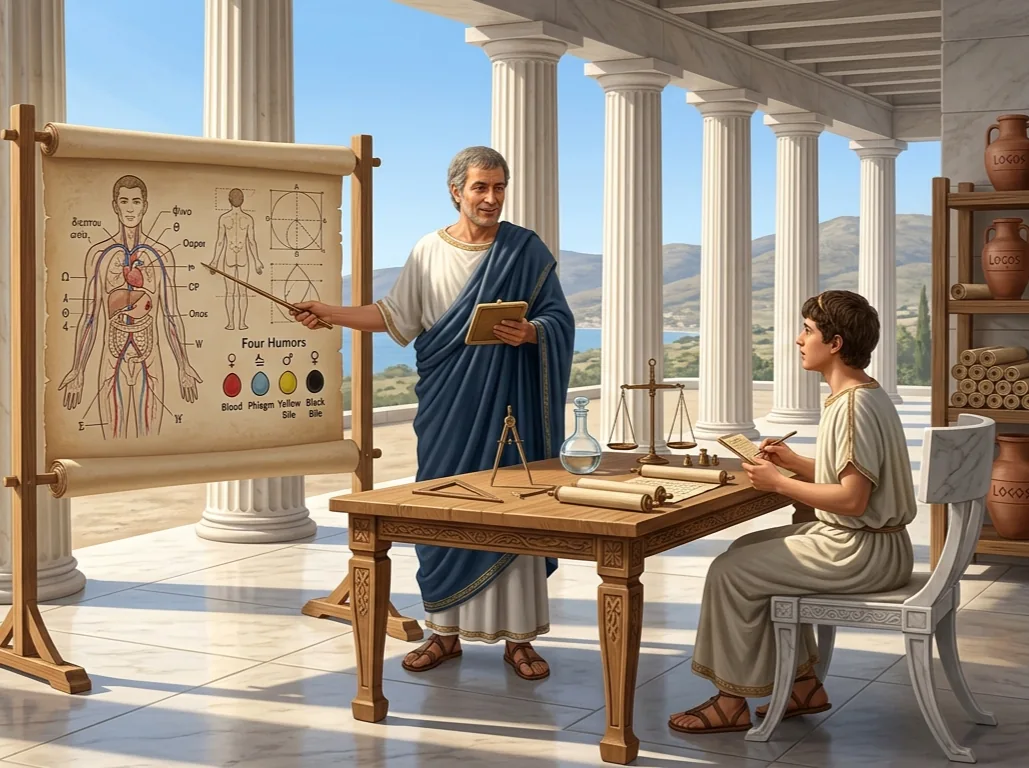
As the 6th century BCE dawned, a revolutionary change swept through the Ionian coast. In the bustling streets and sun-drenched stoas of Ephesus, the "Enlightenment" began. Philosophers and early physicians started to ask a radical question: What if illness is not a punishment from the gods, but a physical imbalance within the body?
This was the birth of rational medicine. Influenced by thinkers like Heraclitus of Ephesus, who believed in a world governed by logic (Logos), medicine became a craft of observation. Physicians began to study the "Four Humors" blood, phlegm, yellow bile, and black bile believing that health was a delicate harmony between these elements.
The clinical gaze was born here. Instead of incantations, healers began to record symptoms, pulse rates, and the effects of climate on the human frame. The transition from the shadowy huts of Arzawa to the bright, marble-lined halls of Ionian science marked the first time humanity dared to decode the secrets of life through the power of the human mind.
Katharsis: The Spiritual Pharmacy of the Great Goddess
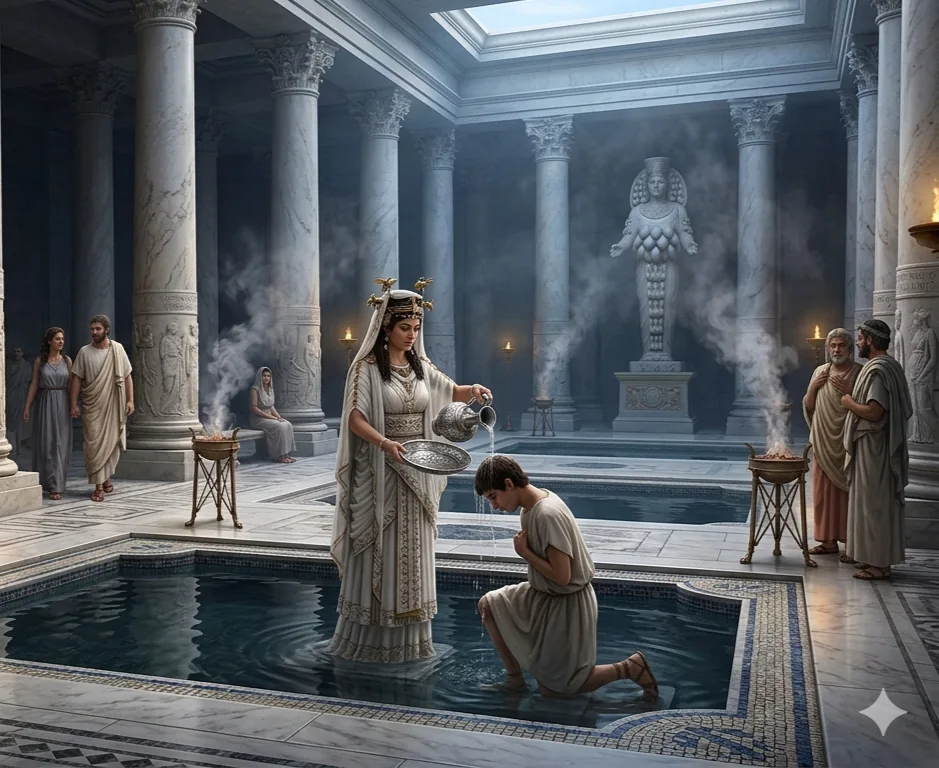
While Ionian philosophers debated the humors, the masses sought healing within the colossal marble embrace of the Artemision; the Temple of Artemis. In Ephesus, health was never just physical; it was a state of purity. The temple served as a monumental sanctuary of wellness, where "Katharsis" (purification) was the primary prescription.
Pilgrims from across the Mediterranean traveled here to undergo ritual washings in sacred springs, believing the goddess’s touch could mend what mortal hands could not. Within the temple precincts, healing was an immersive experience. Incense-heavy air, rhythmic chants, and the presence of the "Megabyzoi" (high priests) created a psychological environment conducive to recovery.It was a place where the divine and the medicinal met a tradition that established Ephesus as a global destination for those seeking a second chance at life through both faith and the therapeutic power of a sacred space.
The Golden Age: Mastery, Education, and Global Fame
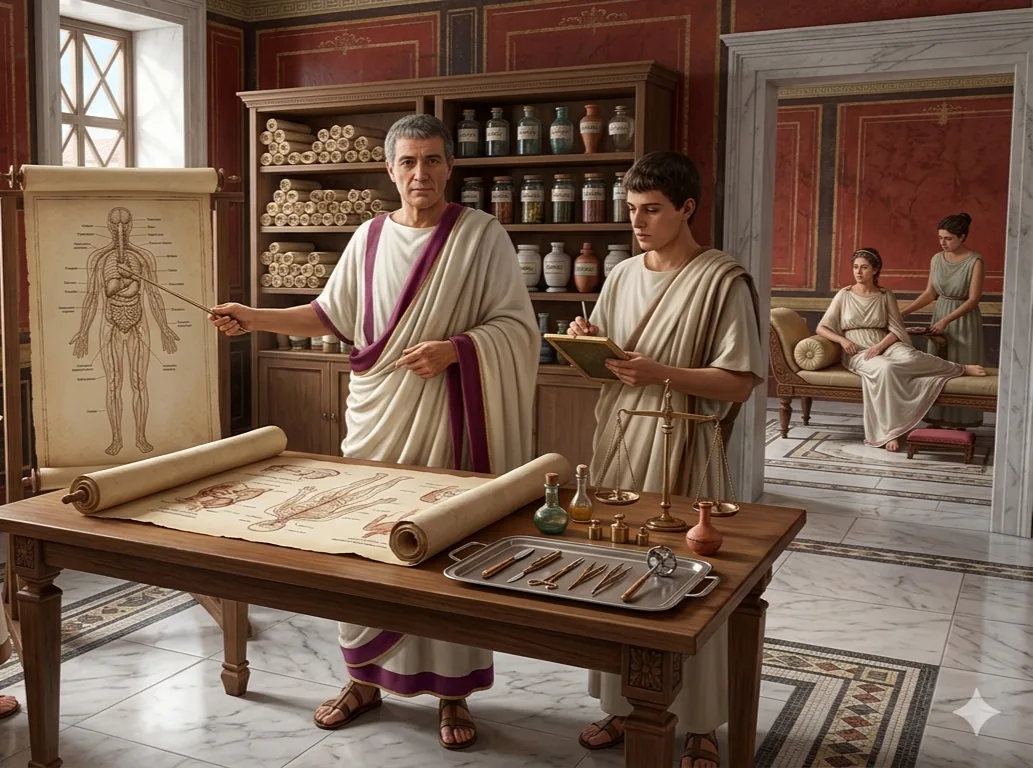
By the 2nd century CE, Ephesus had solidified its reputation not just as a center of faith, but as a prestigious world hub for medical excellence. The city’s medical school was renowned across the Roman Empire, attracting scholars from every corner.
This was the era of the "Great Physicians." Key figures like Soranus of Ephesus, known as the "Father of Gynecology," and Rufus of Ephesus, a master of anatomy and surgery, defined this golden age. Their works, which survived for centuries, were written and taught here. Medicine was now highly sophisticated; it included professional specializations, detailed study of anatomy from Roman gladiators, and advanced surgical techniques. The "Healers of Ephesus" were no longer just ritual leaders or early philosophers; they were trained masters of their craft, defining the standard of healthcare for the civilized world.
Trauma Surgery and the Barley-Men: Healing the Warriors of the Arena
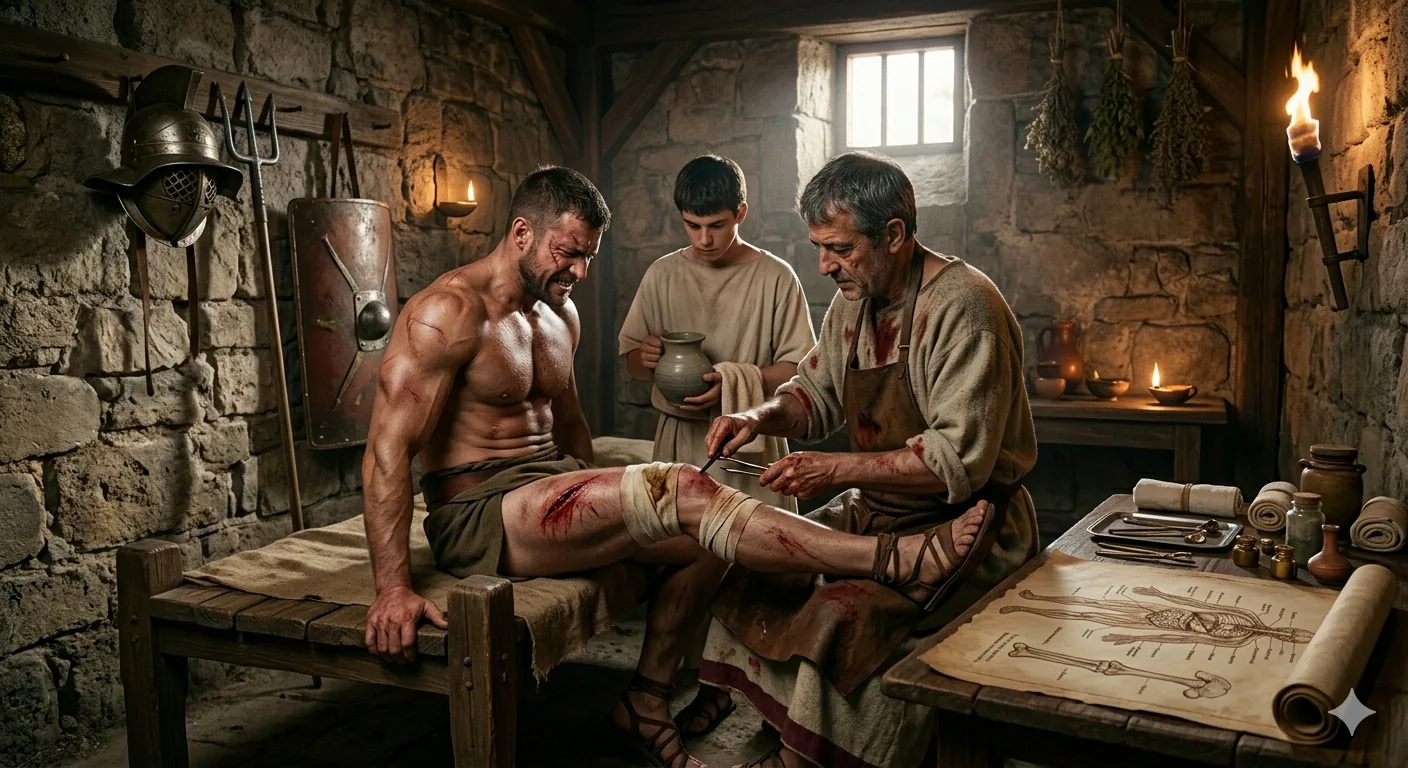
In the shadows of the Great Theatre and the Stadium of Ephesus, a different kind of medicine was practiced. The gladiators, known as the "Hordearii" (Barley-Men), were elite athletes who required specialized medical care. When the dust of the arena settled, the healers faced complex bone fractures, deep tissue wounds, and severe trauma.
Archaeological evidence from the gladiator cemetery in Ephesus reveals a surprising level of medical mastery. Many skeletons show signs of expertly healed bone fractures, suggesting that surgeons used advanced splints and surgical techniques. Furthermore, their secret to rapid recovery lay in their diet: a special "Ash Drink." By consuming a brew made from charred wood or bone ash, these warriors supplemented their bodies with calcium and minerals to strengthen their skeletal structure. This was the pinnacle of sports medicine in antiquity a brutal yet highly effective system of trauma care that kept the legends of the arena alive.
Preserving the Legacy: The Rise of Hospitals and Charity
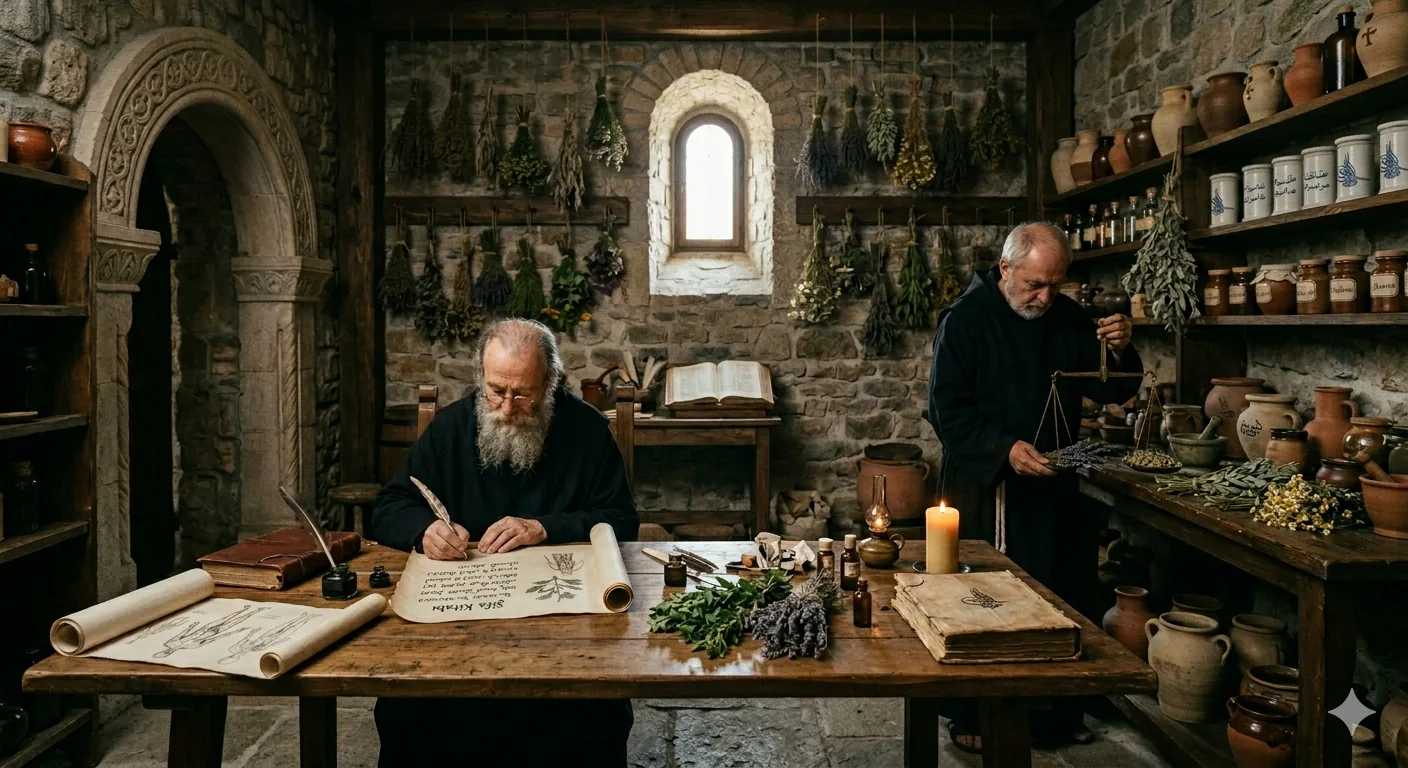
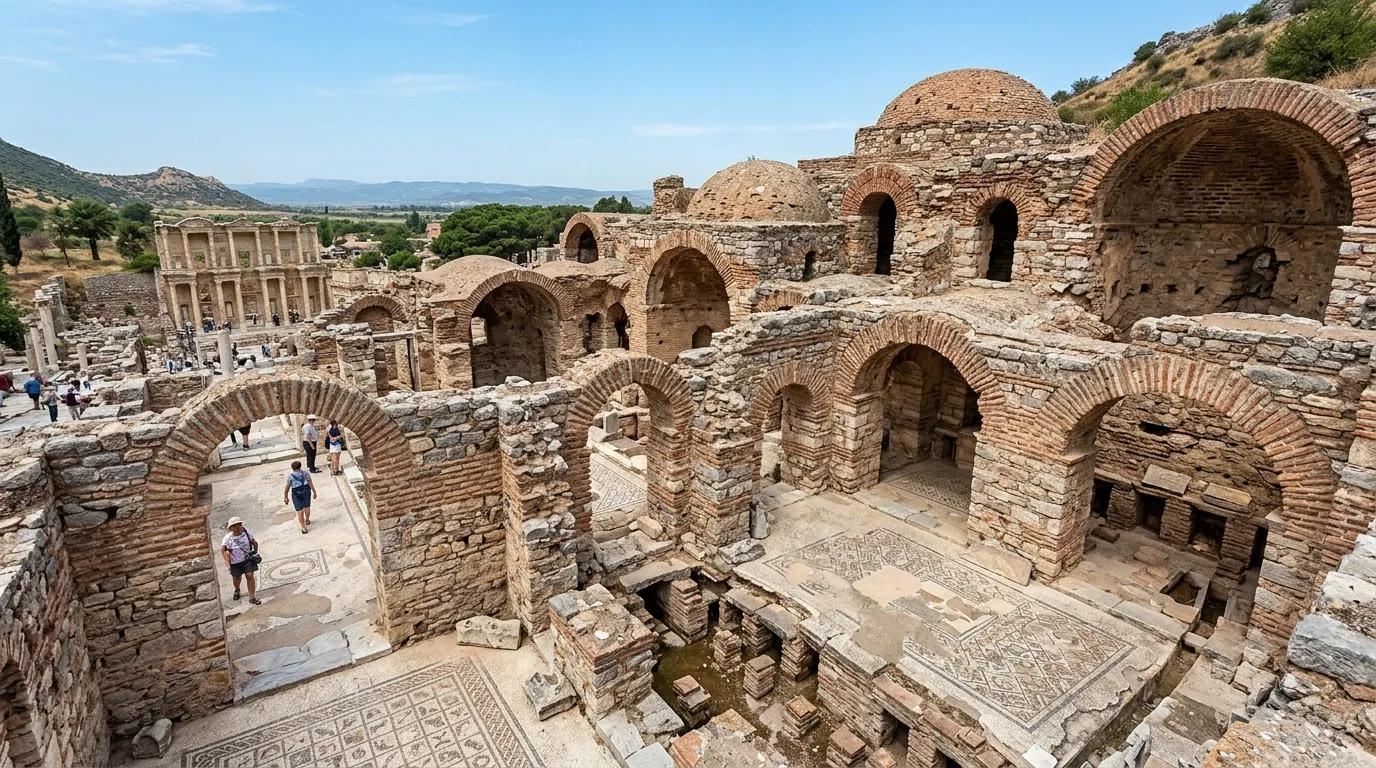
As Ephesus entered the Byzantine era, the practice of medicine underwent a profound transformation. The focus shifted from elite education and athletic mastery to public welfare and Christian charity. In this period, the first "Xenones" early forms of hospitals, emerged near the city’s great basilicas, such as the Church of St. John.
Monasteries became the guardians of ancient medical texts. Within their quiet scriptoriums, monks painstakingly copied the works of Soranus and Rufus, ensuring that the medical wisdom of the past was not lost to history. These monasteries also functioned as "Monastic Pharmacies," where botanical gardens were cultivated to produce remedies for the poor and the sick. Healing was seen as a divine act of mercy, and for the first time, healthcare became a structured public service. The "Healers of Ephesus" in this final era were both scholars and servants, bridging the gap between ancient science and medieval compassion.